Featured


Your Interests Can Be Fun For Everyone
Table of Contents
That maximizes money in the short-term, and you might have three to four years to save toward the settlement quantity. Very unsafe to credit rating ratings, mostly because of missed out on settlements and an unfavorable "worked out" mark that might remain on your credit score report for approximately seven yearsMay be only option if various other choices (debt loan consolidation, equilibrium transfer charge card, financial obligation mercy) aren't possibleTypically needs a fee to the 3rd party, which can balance out some or every one of the savings from debt settlementMay assist you prevent bankruptcy if you have actually missed numerous paymentsNot all lenders collaborate with financial obligation settlement firms Financial obligation forgiveness may be best for you if you are experiencing an economic difficulty that makes it virtually impossible to pay for your financial obligation equilibriums.
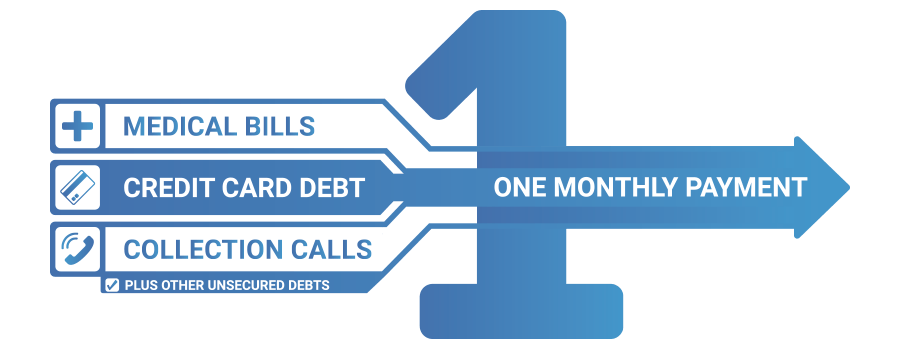
With a DMP, you make one monthly repayment to the credit history counseling company. Those funds are after that distributed to lenders of your unsafe financial obligations, such as charge card and installment lendings. The firm collaborates with your lenders to minimize rate of interest prices or forgo charges, but some lenders might reject such concessions.
A debt loan consolidation loan combines your qualified debts right into one brand-new finance. It can aid you pay for financial obligation if you have the ability to secure a car loan rate that's less than the ordinary price of the accounts you're settling. Nonetheless, you should abstain from acquiring financial obligation on those freshly cleared accounts or your financial debt could expand even greater.
That provides you plenty of time to get rid of or dramatically minimize your equilibrium while making interest-free repayments.
The Single Strategy To Use For How Quality Counselors Apart from Alternative Debt Relief Companies
You may need it if your creditor or a collection company ever before tries to accumulate on the financial debt in the future. When a lender forgives $600 or more, they are called for to send you Kind 1099-C.
Financial obligation mercy or settlement usually harms your credit rating. Anytime you clear up a debt for much less than you owe, it might show up as "worked out" on your credit report and affect your credit history for 7 years from the day of settlement. Your credit report can also drop considerably in the months leading to the forgiveness if you fall back on payments.
When Bankruptcy Counseling Can Help for Beginners
Tax obligation financial debt concession programs Tax obligation financial obligation occurs when the amount of tax obligations you owe surpasses what you have paid. This circumstance often results from underreporting earnings, not submitting returns promptly, or discrepancies found during an IRS audit. The effects of collecting tax obligation debt are significant and can consist of tax obligation liens, which give the IRS a legal insurance claim to your property as protection for the debt.
Incomes and Financial institution Accounts Internal revenue service can levy (take) wages and financial institution accounts to please the financial debt. Residential property Seizure In extreme situations, the IRS can take and offer building to cover the financial debt.
Anxiety, anxiousness, and other mental health issues. Social Preconception Facing lawsuit from the internal revenue service can bring social stigma. Damage to credibility and connections. Work Opportunities A bad credit rating because of strain financial debt can limit employment opportunities. Trouble searching for or keeping a job. Government Benefits Tax obligation financial debt may impact eligibility for government advantages, such as Social Security and Medicaid.
The Buzz on Red Flags While Choosing a How Debt Counseling Helps You Tackle Debt Effectively : APFSC Provider
The OIC takes into consideration a number of variables, including the taxpayer's earnings, expenditures, asset equity, and capability to pay. Efficiently negotiating an OIC can be complex, needing an extensive understanding of the internal revenue service's standards and a strong debate for why your offer straightens with your capability to pay. It's vital to note that not all applications are approved, and the procedure calls for thorough economic disclosure.
The internal revenue service examines your general financial circumstance, including your income, expenditures, property equity, and ability to pay. You need to also be present with all filing and settlement demands and not be in an open bankruptcy case. The IRS additionally considers your conformity history, examining whether you have a record of prompt filing and paying tax obligations in previous years.
The Ultimate Guide To Your Introduction to How Debt Counseling Helps You Tackle Debt Effectively : APFSC and What to Bring
The application process for an Offer in Compromise involves numerous in-depth steps. Initially, you need to finish and send IRS Type 656, the Deal in Concession application, and Form 433-A (OIC), a collection details statement for individuals. These forms call for detailed monetary details, including details concerning your earnings, financial debts, costs, and assets.
Back taxes, which are overdue tax obligations from previous years, can considerably enhance your overall internal revenue service financial obligation if not resolved quickly. This debt can build up interest and late repayment penalties, making the initial quantity owed much larger in time. Failing to pay back tax obligations can result in the IRS taking enforcement activities, such as releasing a tax lien or levy versus your home.
It is necessary to address back taxes asap, either by paying the full quantity owed or by organizing a layaway plan with the internal revenue service. By taking aggressive steps, you can stay clear of the buildup of added interest and penalties, and stop extra aggressive collection actions by the internal revenue service.
One usual reason is the idea that the taxpayer can pay the full amount either as a lump amount or via a settlement strategy. The IRS also takes into consideration the taxpayer's revenue, expenses, asset equity, and future earning capacity. If these factors show that the taxpayer can pay for to pay more than the offered quantity, the IRS is most likely to reject the offer.
Chapter 7 Essentials Before Filing for Beginners
It is vital to supply exact and complete information in your application and to seek advice from a tax obligation specialist to boost the possibilities of approval. Handling internal revenue service financial obligation can be complicated and daunting. Tax experts, such as Certified public accountants, tax obligation lawyers, or enlisted representatives, can offer very useful assistance. They have the knowledge to browse the intricacies of tax obligation legislation and internal revenue service procedures.

Latest Posts

Avoiding Foreclosure Through Housing Programs

Important Facts to Expect Before Applying for Bankruptcy

Seeking Professional Financial Help in 2026